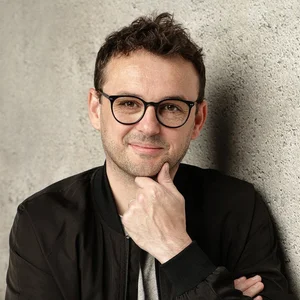
A study by Anthropic made the rounds recently. It shows how many tasks AI could already take over across different professions and how rarely that potential is actually used. The obvious explanation: fear of looking replaceable. Then I stumbled upon a post by business psychologist Prof. Dr. Dr. Oliver Hoffmann. He reads the same study differently. His deliberately provocative thesis: we don't use AI because we're addicted to our own overload.
Wait a minute – what?
Hoffmann calls it cognitive Münchhausen syndrome: our entire professional status system runs on glorifying artificial complexity – grinding through data, writing drafts nobody rereads, re-validating decisions already made. Much of it is not strictly necessary. It works as a sedative, he argues, wherever real contribution is hard to see or measure. Take that away, and nothing stands between us and what actually matters: "being truly creative, strategic, or profoundly human". In Hoffmann's reading, that's precisely what scares us.
Let that sink in: a whole class of knowledge workers who would rather stay overworked than take the freedom AI is offering?
Apply that to the creative industry, though, and it gets complicated. Hoffmann has a point: long hours have long been a status symbol here too. Still being at the office late meant being important, indispensable, "truly creative." But here, it's harder to draw the line. You rarely know in advance which part of the mess is meaningless and which part will actually lead somewhere. A bad draft can turn out to be the one detour that gets you to Cannes.
Still, plenty of what fills creative teams' days is exactly the kind of busywork Hoffmann means. Maybe part of the discomfort with AI in our industry comes from an uncomfortable suspicion: if AI takes away the "ritualized busywork", surprisingly little may remain. Because much of what we call creative work is actually the machinery around it. And perhaps the most uncomfortable question is not whether AI can be creative. It’s whether we still are.